March 2026

Tohmina

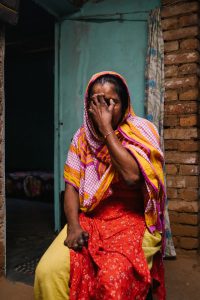
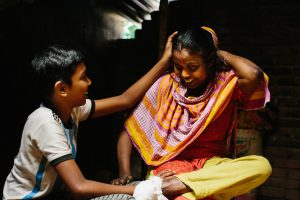
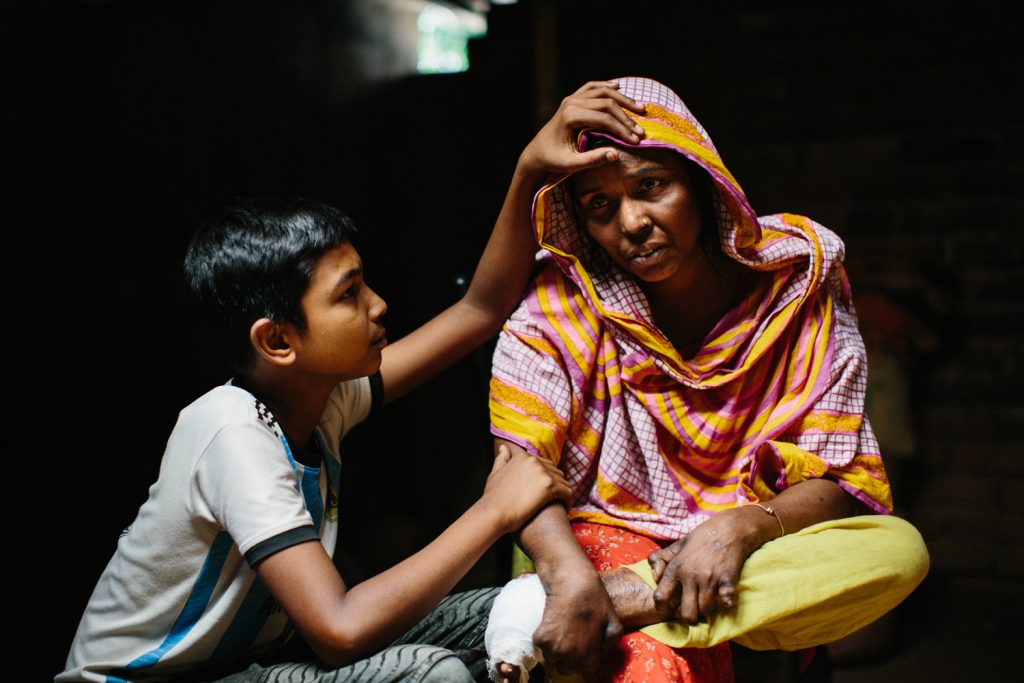
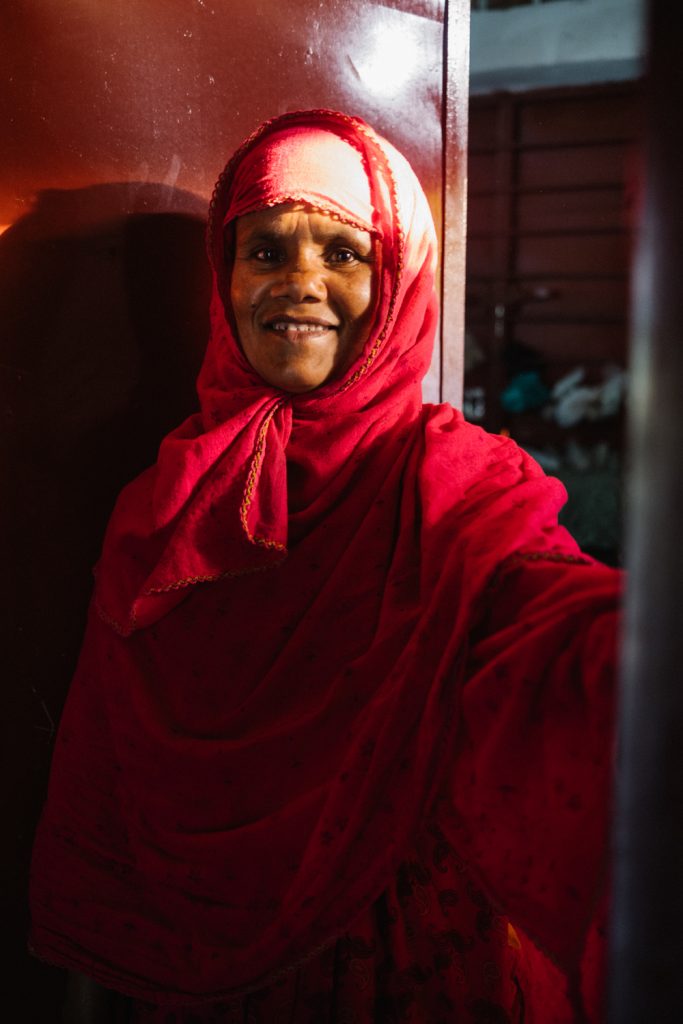
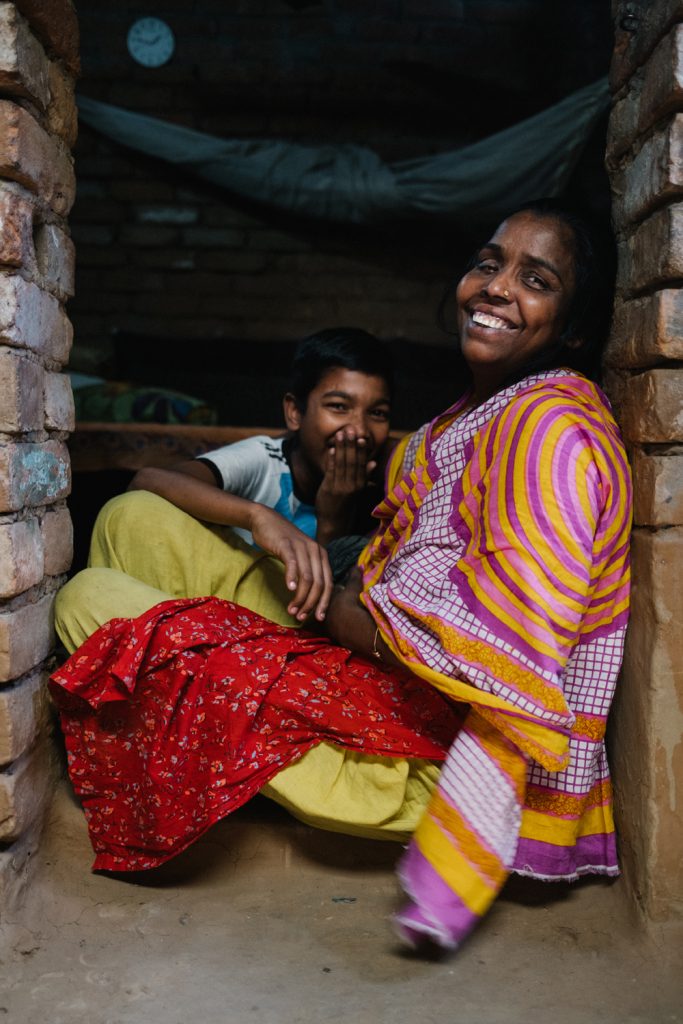
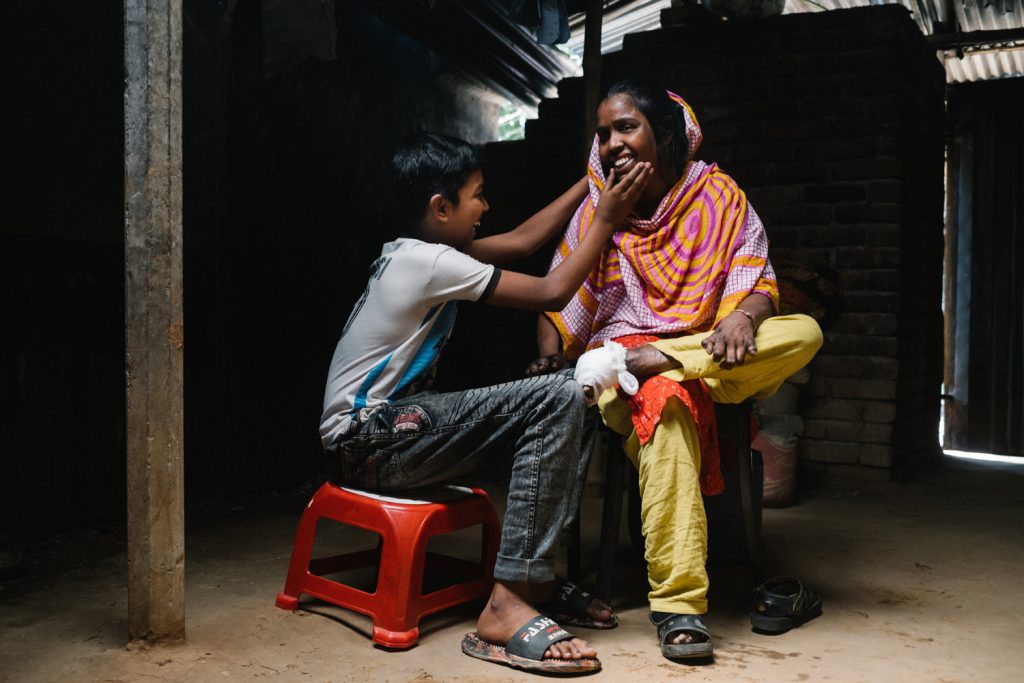
Tohmina and her son Toufik, 14

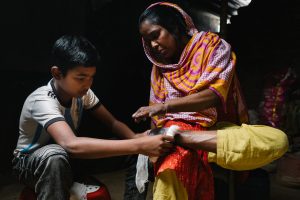
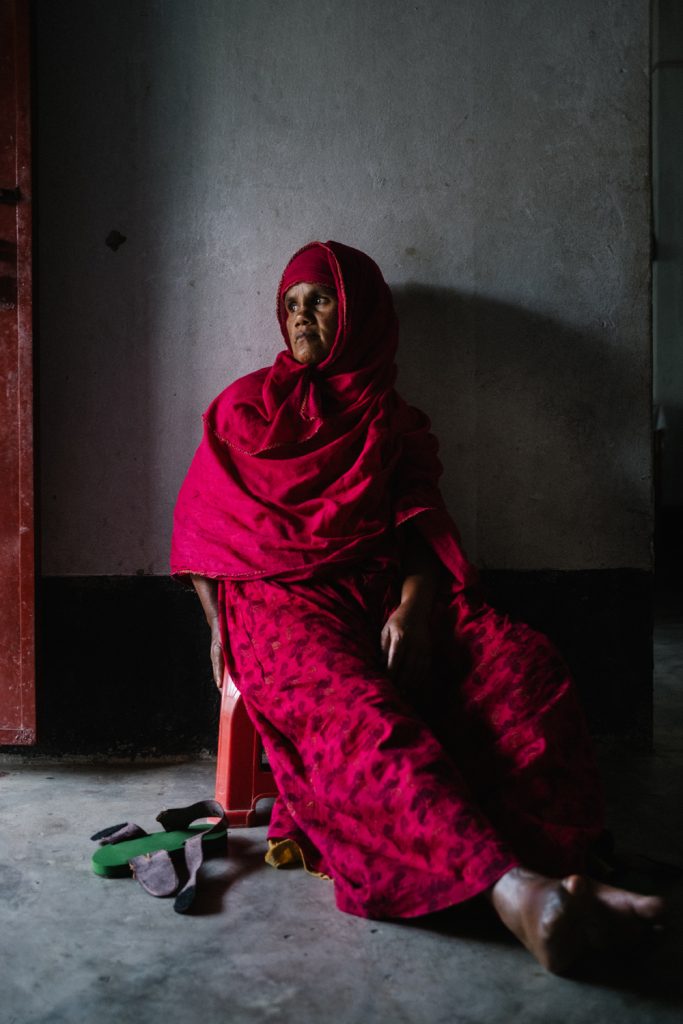
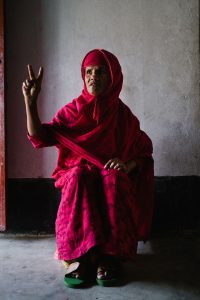
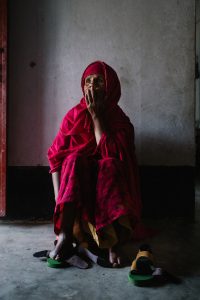
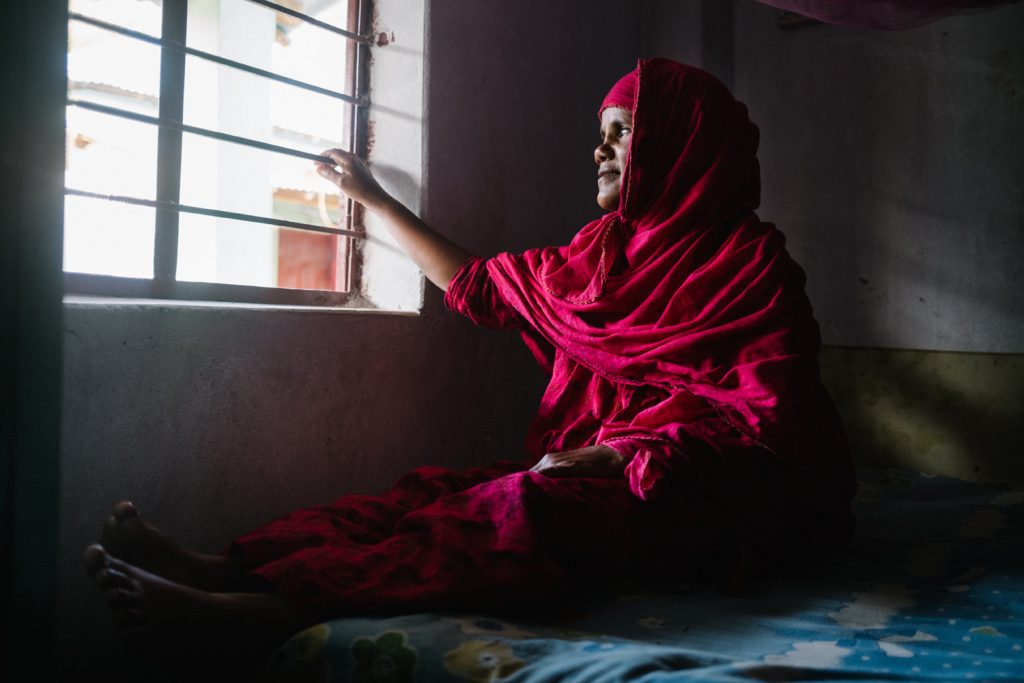
Tohmina is 45. She developed leprosy aged 6 with patches on her face and back. She developed blisters and then ulcers on her feet. Her father tried many medicines with no improvement. A man visiting her home suspected leprosy. Her father took her an NGO health centre where leprosy was diagnosed. Her father then had a mental breakdown over her diagnosis. Her elder brother rejected her from their home saying that she could not stay in the house if she had leprosy. Her father took her to Nilphamari hospital. She took medicine from there and was cured but her ulcers recurred. She married a fellow patient in Nilphamari hospital. The hospital authorities supported their marriage and gave them some money. They went to her family home and her brother rejected her again saying that she could not stay there, and threatened to kill her husband. They came to Mahasthan Gar, Bogura. They rent homes with people but are continually being evicted.  Her husband has disabilities and works in a shop. They have just been granted one of the government sponsored houses for people affected by leprosy. It will be a huge help for them. She has one son, Toufik, who is in class 6, but they struggle to pay school fees. He dresses his mothers wounds.

.                   
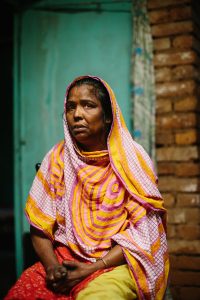
The physical problems are the biggest challenge for her.

“My message to all is that this disease is not an infectious disease, so don’t push the patients away. If someone is in pain please don’t hurt them again.”
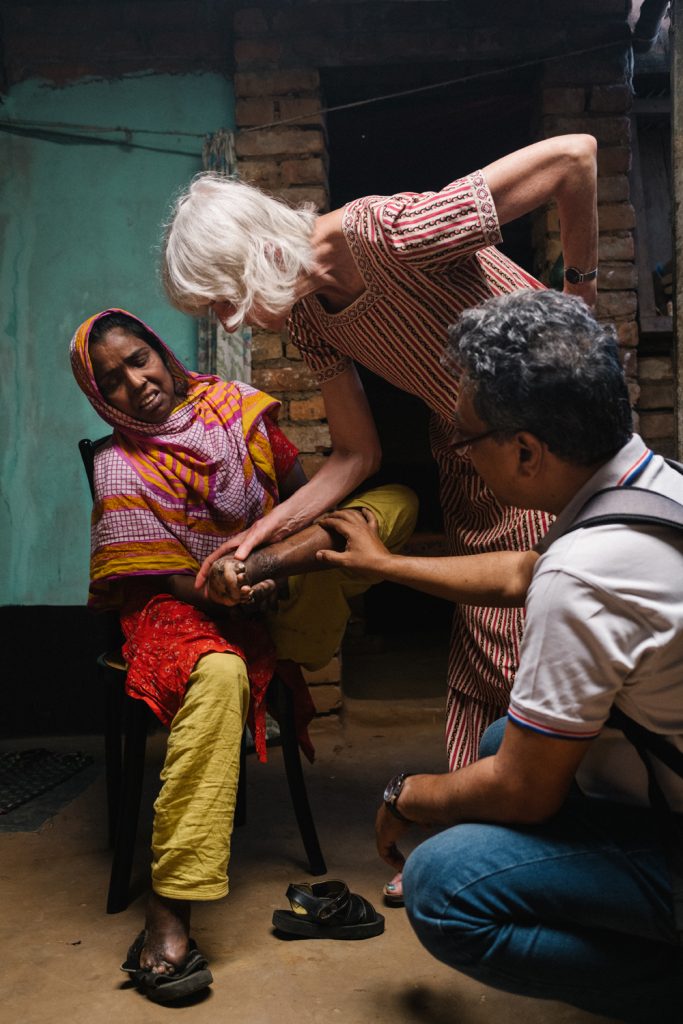
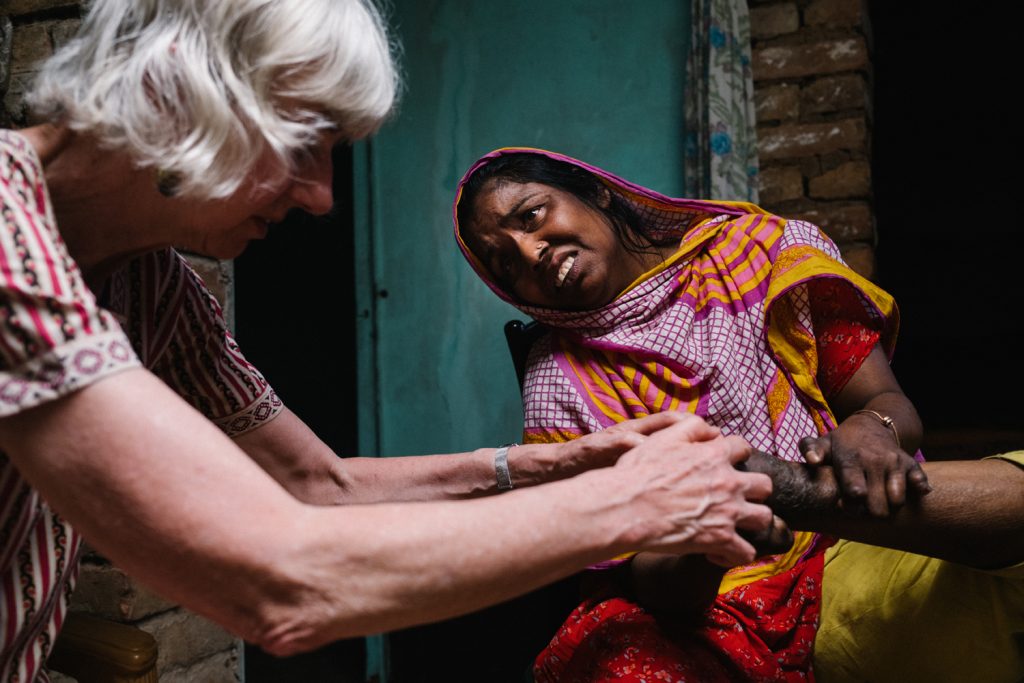
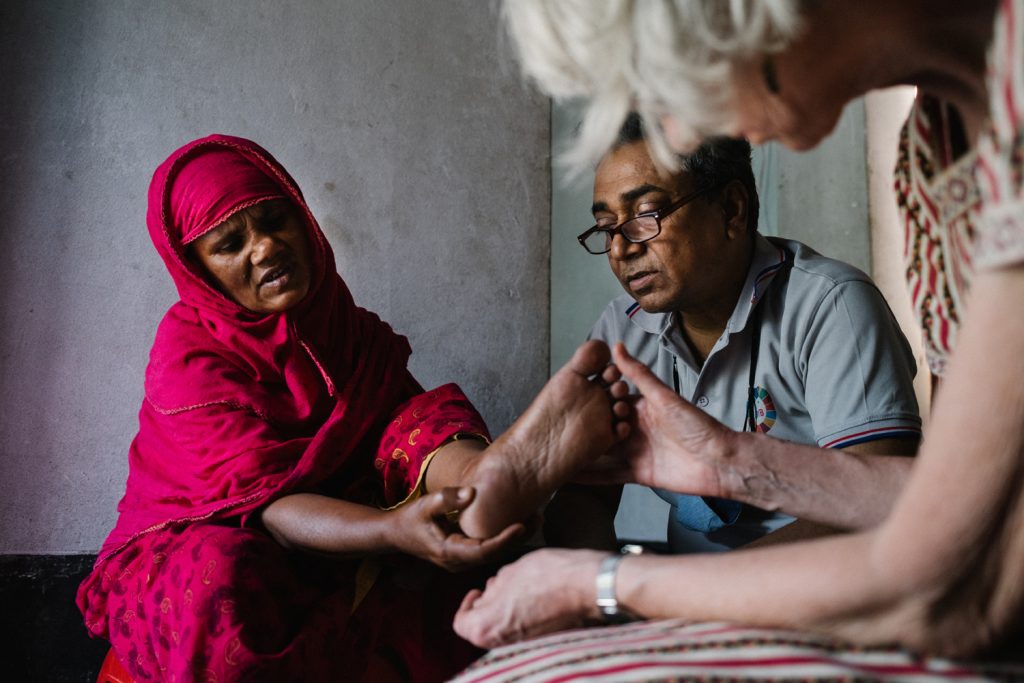
Prof Diana Lockwood and Md. Waheduzzaman Polu, the project director for Lepra in Bogura, take a look at the ulcers on Tohmina’s feet.
Prof Diana Lockwood examines Tohmina’s feet


.            

Taufik, helps his mother clean her ulcers and change the dressing on her foot.
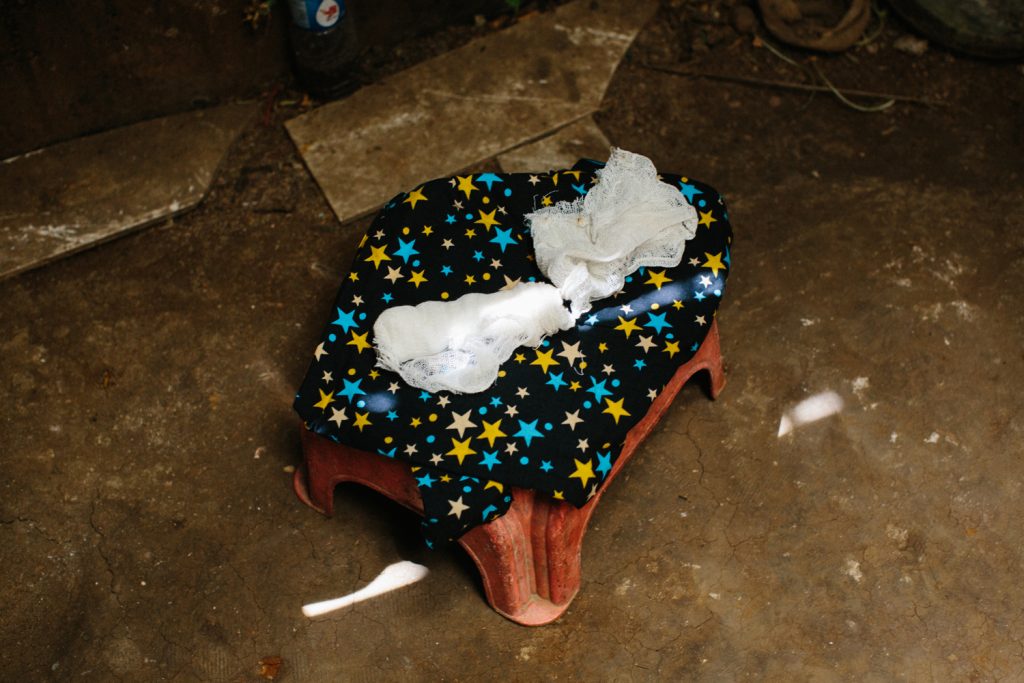
Tohmina’s bandages which will be saved and cleaned
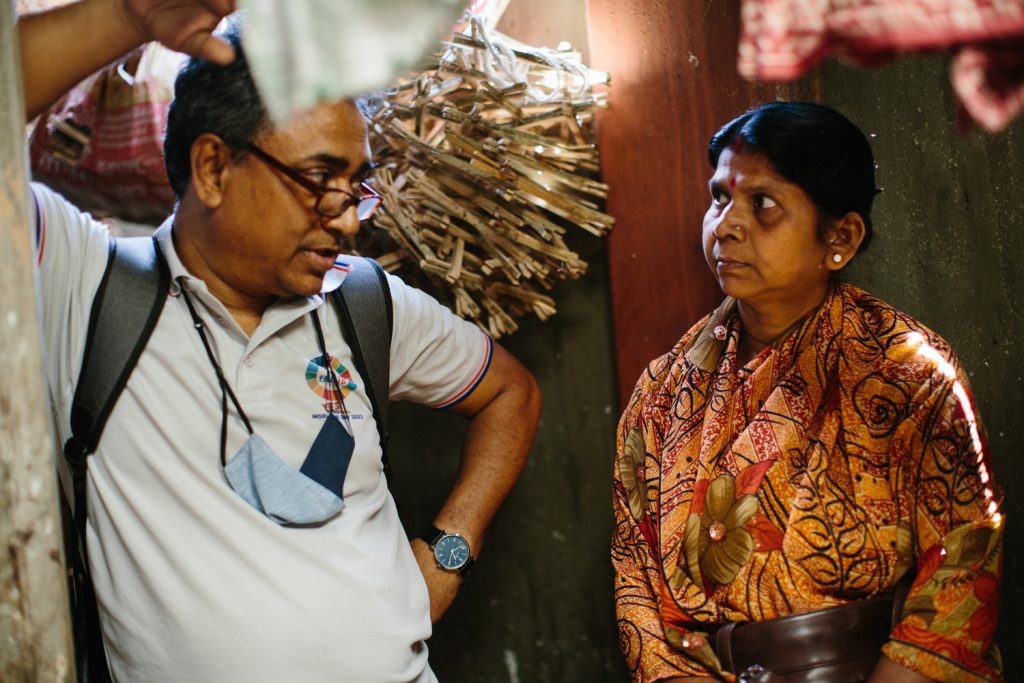
Bizly Rani Das, a local mental motivator, also affected by leprosy talks with Polu about Tohmina
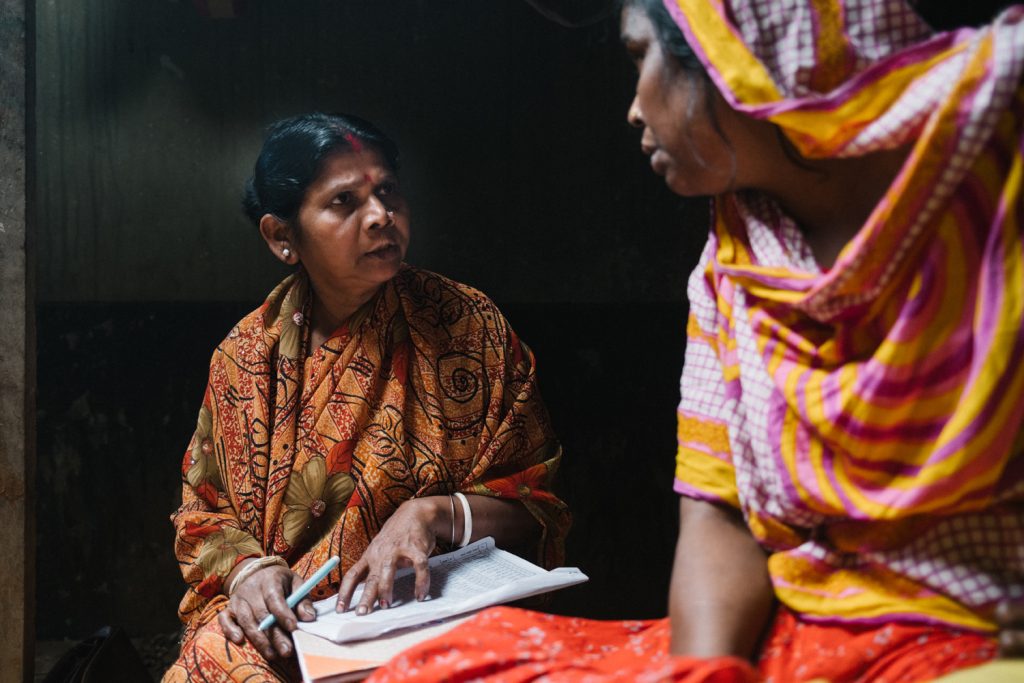
Bizly helps Tohmina deal with some paperwork
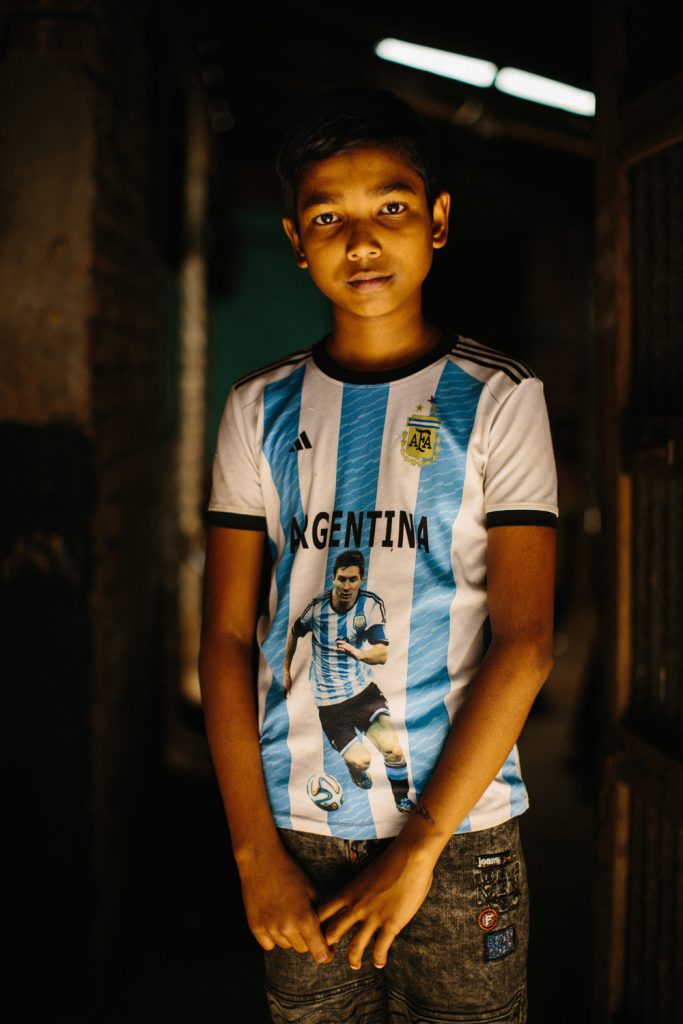
Taufik, Tohmina’s son, aged 14

She and her husband are grateful to Mr Polu, the Lepra officer who has helped them get a new home. She had just received the documents for her new house in April 2023.
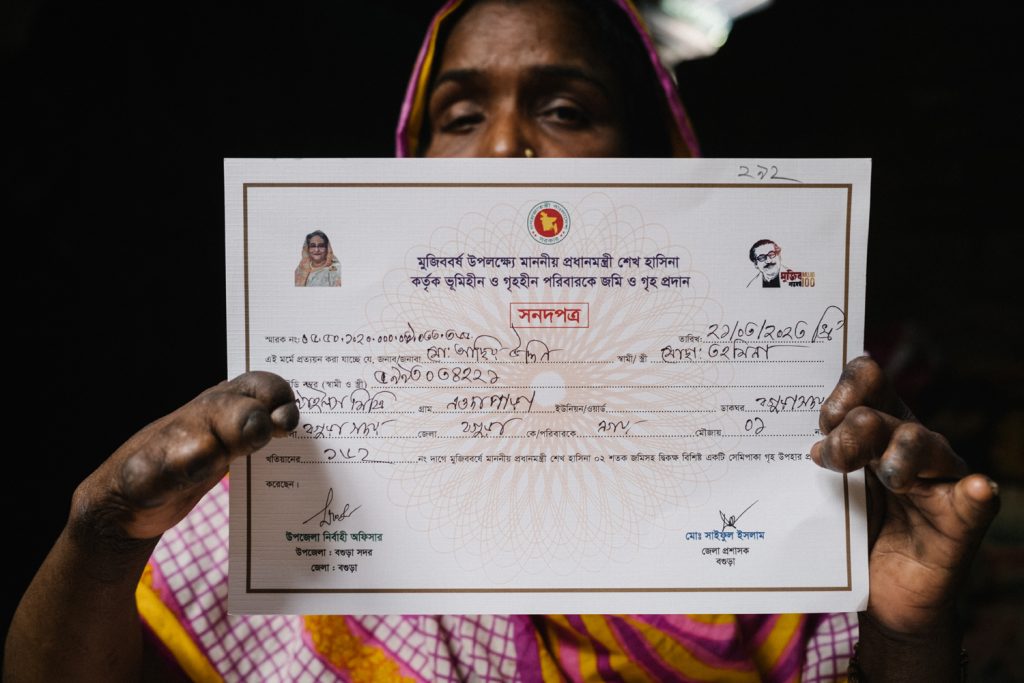
Tohmina with the certificate that shows she can move into a government built house. It’s currently being constructed.
Son and mother

09/04/2023 Bogura region, Bangladesh

Photography by Tom Bradley, writing by Prof Diana Lockwood
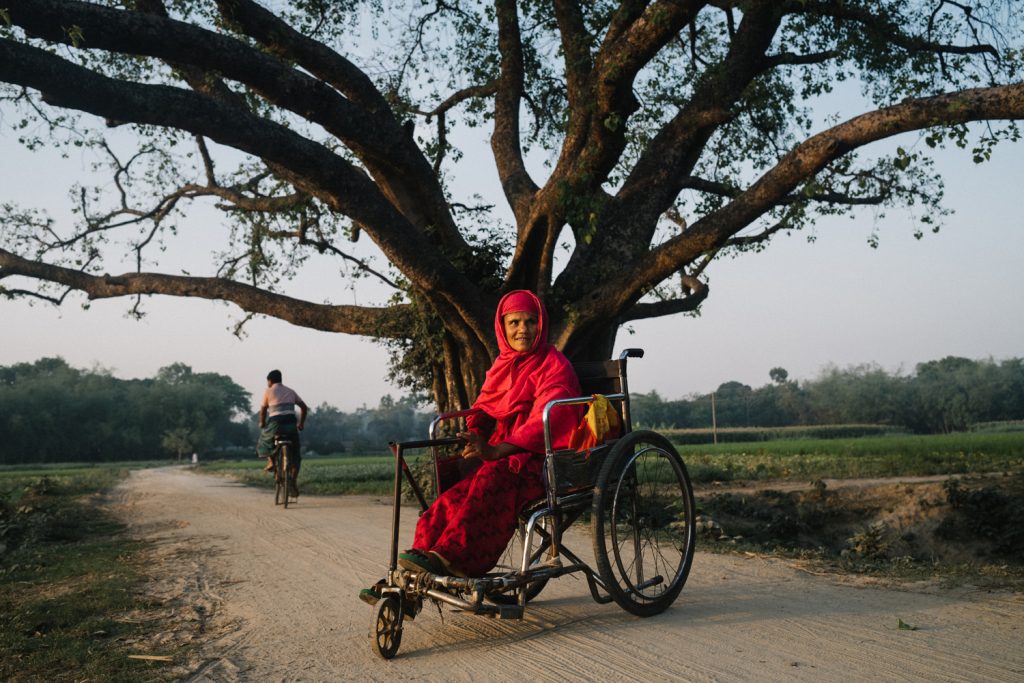
Tohmina Read More »

Bilkis Begum

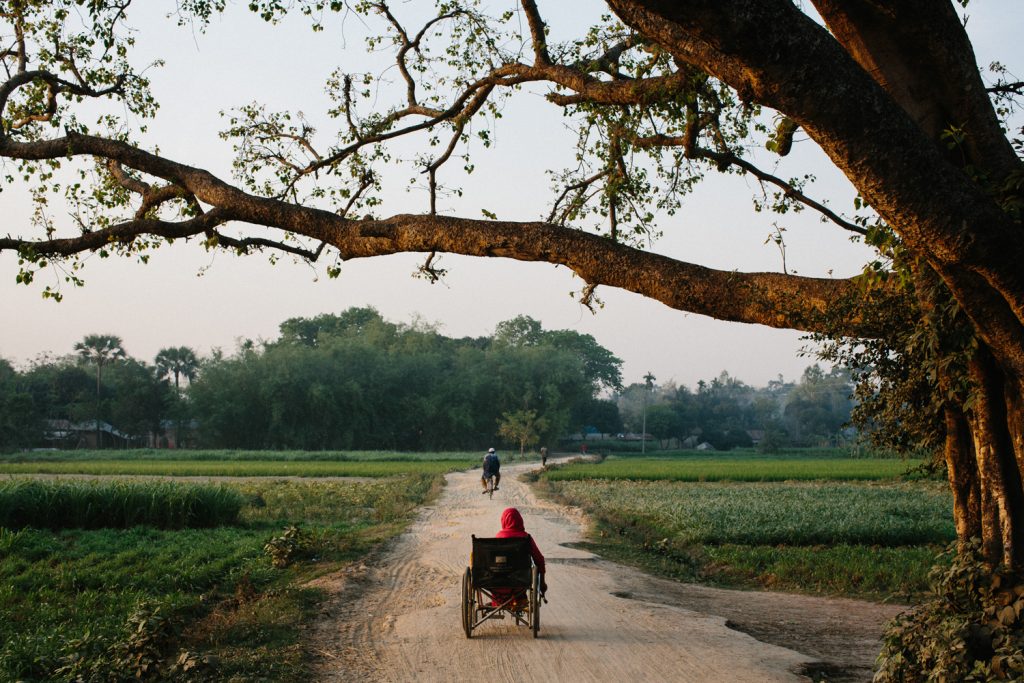
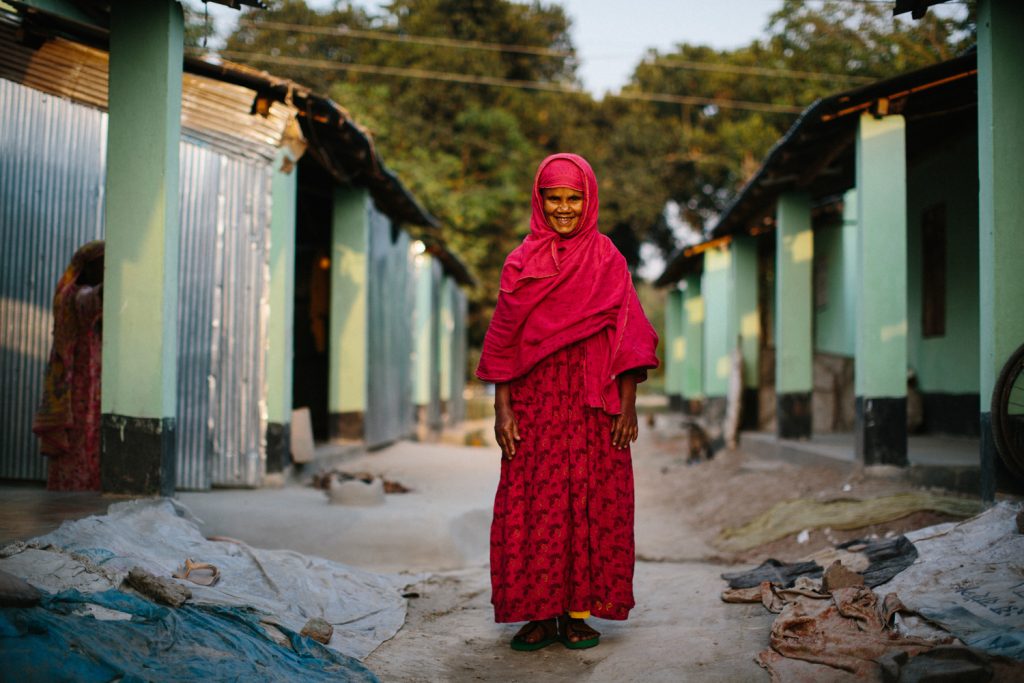
Bilkis on the road outside her home. Though she can stand on her feet, she can’t go far, so uses the wheelchair to move away from home.

Bilkis Begum is 60 and lives in a new house provided by the government for people with disabilities. She has 3 daughters and a son. Her husband died when her younger daughter was 1 year old. After the delivery of her last child she developed skin patches. The doctor checking her recognised leprosy and sent her to receive treatment. However she was alone and could not attend the clinic until her daughter was 4 years oin 2012. She took treatment for 6 months and then 12 months. 6. Her original skin patched improved but some new ones appeared. Her legs are weak and anaesthetic. Her left hand is also anaesthetic. She does daily self-care of her hands and feet. She moved into her government house 10 months ago, she had been renting in the slum before that.

Her husband supported her with her disease. But after his death her children left her. Her new neighbours treat her well. The biggest challenge for her is to earn enough by begging.

“Leprosy patients have knowledge about the disease and should be listened to even when they are lower status like herself. The health authorities should take this disease seriously instead of ignoring it.”

Bilkis standing in the little cul-de-sac for government-built homes
Bilkis pauses during her interview

.              


Prof Diana Lockwood and Md. Waheduzzaman Polu, the project director for Lepra in Bogura

Bilkis dreams of being able to set up a shop in her home one day
In the meantime, she goes off to beg at a nearby main road in order to make some money.

Photography by Tom Bradley, writing by Prof Diana Lockwood
Bilkis Begum Read More »